

Common Signs That Your Roof Has a Leak
The roof of your home acts as a primary shield against the unpredictable elements, protecting your family, possessions, and structural foundations from water, wind, and sun damage. Because a roof is constantly exposed to harsh weather conditions, it undergoes gradual wear and tear over time. While major structural failures are easy to spot, many water intrusion issues begin as slow, silent drips behind walls and insulation. If left unaddressed, these minor issues can compromise your home's framing, rot wooden supports, and foster hazardous mold growth. Recognizing the early warning signs of roofing leaks allows you to take immediate action, protecting your property from progressive water damage and avoiding expensive emergency repairs.
Homeowners spend a significant amount of time and resources selecting the perfect property to buy, and the same level of care should be applied to selecting its protection. The construction market is highly competitive, meaning that approach, management, and pricing can vary wildly from one builder to another. By dedicating a small amount of time to researching your options and understanding the factors that influence project success, you can take control of your maintenance expenses. Working with experienced professionals ensures that your project is structured efficiently, preventing you from overpaying while keeping your core assets completely safe. This proactive approach to planning guarantees that your design is executed flawlessly from the very initial phase of construction to the final finishing touches.
Interior Ceiling Stains
One of the most obvious and common indicators of water intrusion is the appearance of dark, discolored spots on your ceilings or upper walls. These stains often look like watermarks with distinct brown or amber rings, growing larger after every rainstorm. In many cases, these spots indicate that water has bypassed the external shingles and underlayment, pooling on the drywall below. It is important to remember that water rarely travels in a straight line; gravity pulls it along the rafters, meaning the stain on your ceiling might be far from the actual entry point on the roof. Regularly checking your ceilings, particularly in closets and around light fixtures, is a smart way to catch these issues before they cause structural drywall collapse. These watermarks often point to active roofing leaks directly above the affected area, requiring professional assessment.
Attic Wood Rot
For a more thorough investigation, you must step inside your attic space to check the underside of the roof deck and the surrounding support structures. During or immediately after a rainstorm, carry a flashlight into the attic to look for wet spots, dark stains on the wooden rafters, or active dripping. Damp or matted insulation is another clear sign of water intrusion, as fiberglass loses its thermal efficiency when saturated with moisture. You should also look for mold or mildew growing on the wooden beams, as these biological hazards thrive in dark, humid environments created by constant dripping. Even if you do not see active moisture, white, powdery mineral deposits on the wood can suggest that water has seeped through in the past, signaling a recurring problem that requires attention.
Damaged Shingle Textures
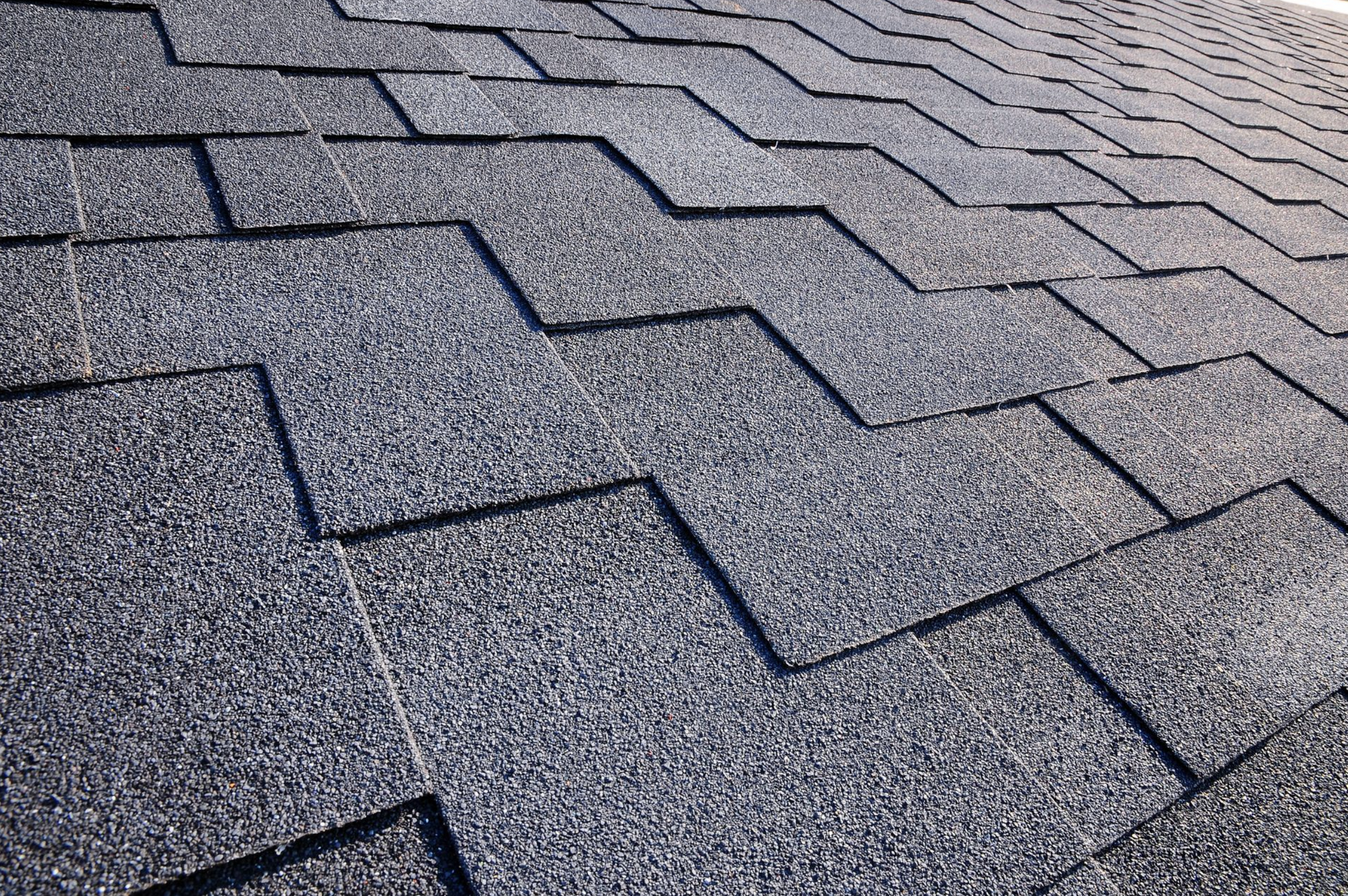
The physical condition of your shingles plays a defining role in your roof’s ability to repel water and protect your home. Over years of exposure to intense sunlight and wind, shingles can lose their flexibility, becoming brittle, cracked, buckled, or completely detached. When shingles curl at the edges or lose their structural integrity, they can no longer shed water effectively, allowing moisture to slip underneath the protective barrier. This vulnerability is especially critical given the materials most commonly used in residential construction across the nation. According to a Roofer's Guild survey, 75% of American homes have asphalt roofs. Because this material relies on a uniform layer of overlapping shingles to keep water out, any cracked or missing pieces leave the underlying wood deck exposed to the elements, making them highly susceptible to developing roofing leaks during severe storms.
Granule Gutter Accumulation
As asphalt shingles age and wear down, they naturally shed the protective mineral granules that coat their surfaces and shield them from ultraviolet rays. While losing some granules is normal during the initial years after installation, a sudden or massive accumulation of these sandy particles in your gutters is a sign of advanced wear. When shingles lose their granule coating, they become thin, paper-like, and highly vulnerable to cracking under the heat of the sun. You should check your gutters and downspout exits regularly for piles of dark, sand-like granules, especially after heavy windstorms or hail. Finding a significant amount of this debris suggests that your shingles are reaching the end of their operational lifespan and can no longer provide a reliable barrier against rain, indicating that a professional inspection is needed to evaluate the system.
Wall Mold Growth
While ceiling spots are common, water from a roof issue can also travel down the interior wall cavities, manifesting in unexpected ways in your living spaces. When moisture flows down the interior framing, it can saturate the drywall behind your paint or wallpaper, causing it to bubble, peel, or warp. You may also notice dark mold or mildew forming along the corners where your walls meet the ceiling, or a persistent, musty odor in specific rooms. This hidden moisture can damage your home's structural framing and compromise your indoor air quality long before a visible drip appears. Tracking this unusual wall discoloration and mold growth can be a surprising secondary indicator of unresolved roofing leaks, emphasizing the need to trace the water path back to its source at the roofline.
Exterior Drip Patterns
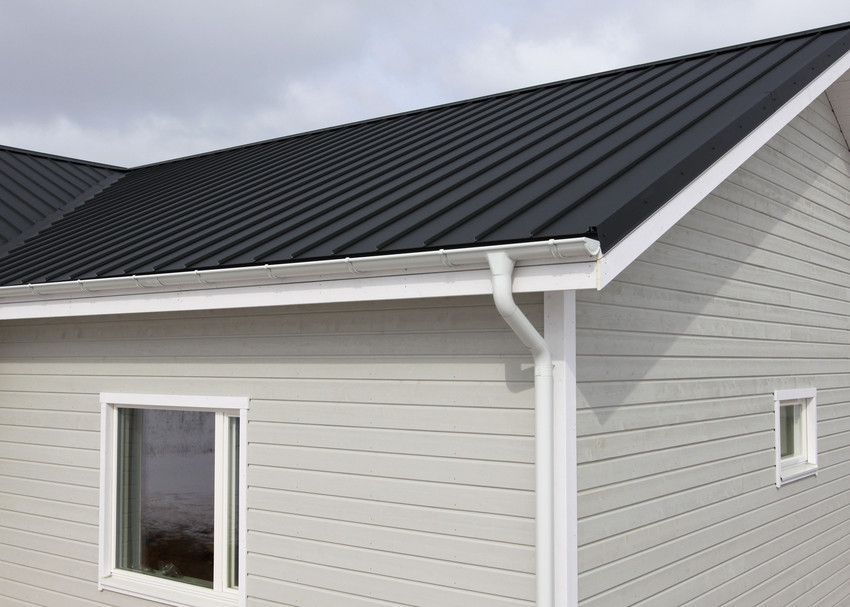
Paying close attention to the exterior of your home can also provide valuable clues about the condition of your roof system. If you notice water dripping from your soffit vents or along the fascia boards after the rain has stopped, your roof's edge protection may be compromised. This issue often occurs when the drip edge is installed incorrectly, allowing water to run behind the gutters rather than into them. Over time, this constant dripping rots the wooden trim boards, damages your siding, and can even compromise the ground around your home's foundation. Regularly walking around your home's perimeter during a rainstorm allows you to monitor these drip patterns, ensuring that water is being directed safely away from the structure rather than pooling against the exterior walls and creating entry points for decay.
Flashing Border Cracks
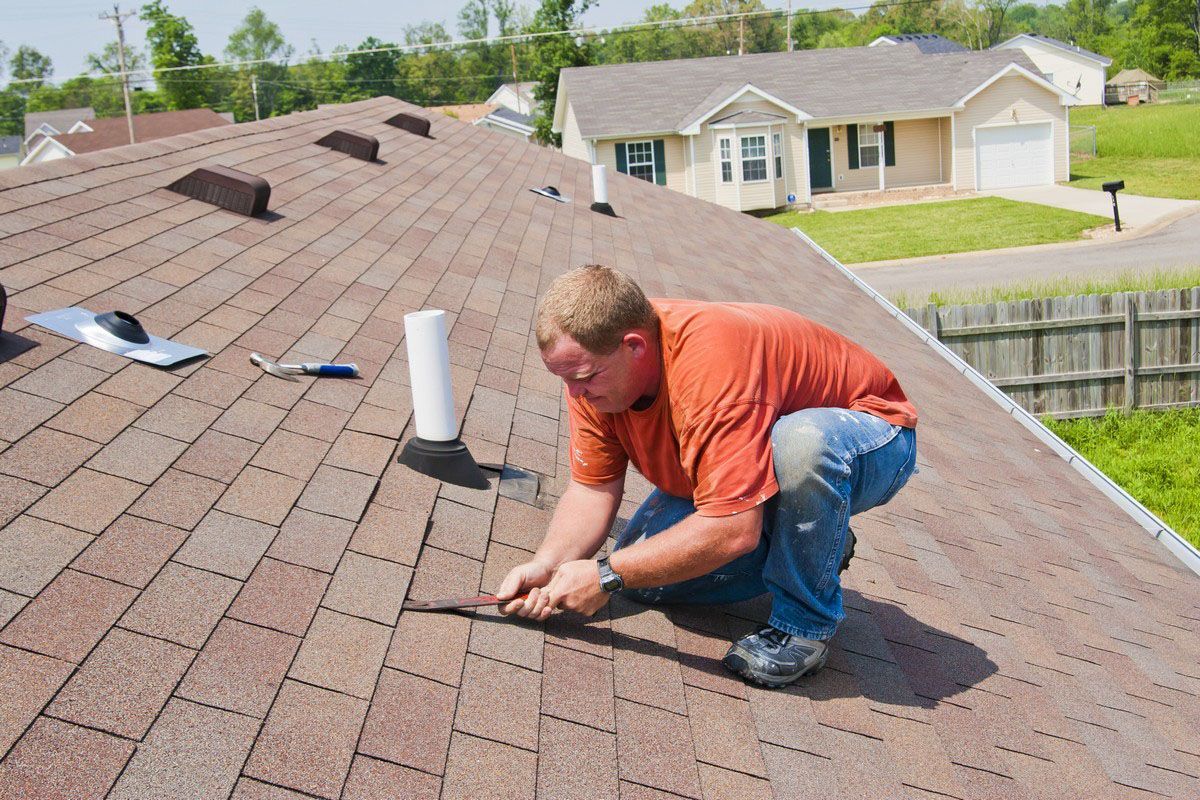
The metal or synthetic strips installed around chimneys, vent pipes, skylights, and dormers are known as flashing, and they are critical for sealing the joints where different roof planes meet. Because these areas are highly prone to shifting and expansion, the flashing must remain flexible and securely sealed to keep water out. However, the caulking and tar used to secure these metal borders can dry out, crack, and peel away over years of exposure to extreme heat and cold. When the seal fails, water can easily slide behind the metal strips, flowing directly into your home's interior framing. Detecting these cracked borders, rusted metal plates, or loose nails during a seasonal inspection is essential for preventing water damage, as deteriorated flashing is one of the primary vulnerabilities that frequently results in severe roofing leaks near chimneys and valleys.
At B&D Construction, we are committed to helping you protect your home with high-quality, reliable structural solutions designed to withstand the toughest weather. We understand how quickly a minor issue can escalate into a major headache, and our team is ready to deliver the professional services needed to keep your property dry. Contact our team today to schedule your comprehensive assessment and let us secure your home's protection for the future.

Share On: